
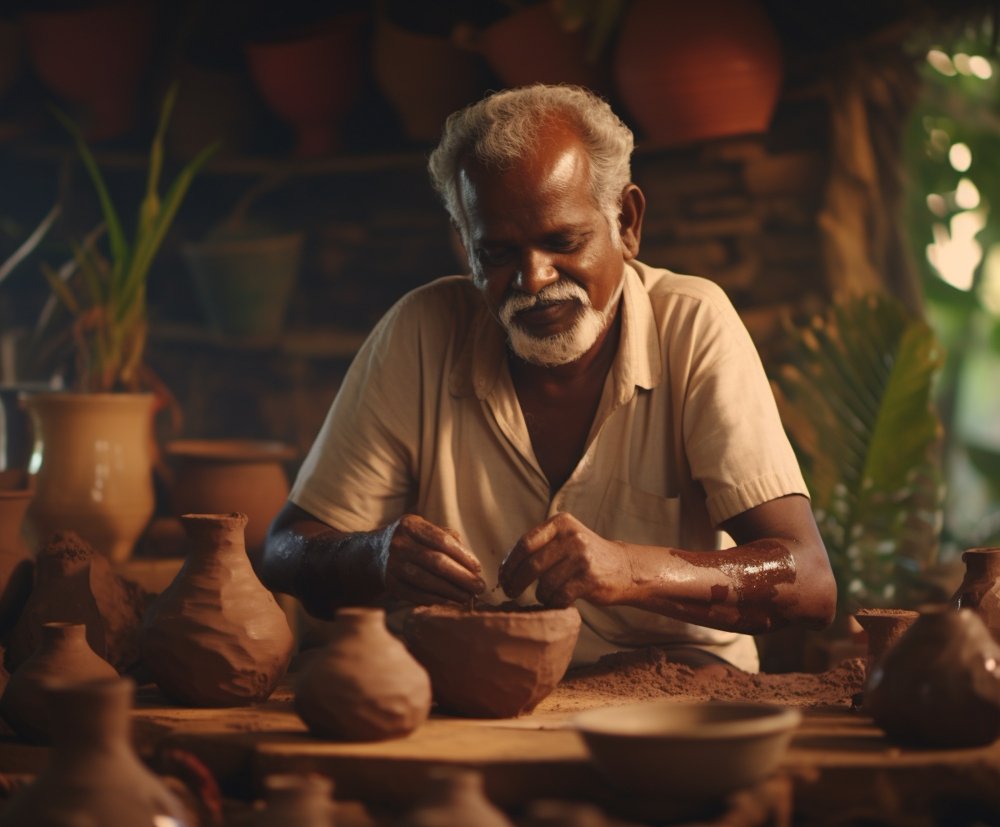
The Evolution of Artisanship in the Digital Age
- Digital Integration and Marketplaces: Online platforms serve as global marketplaces, connecting artisans with enthusiasts worldwide, thus expanding their reach and potential customer base. This digital exposure is critical for artisans who previously relied on local or regional markets.
- Innovative Tools and Techniques: The intersection of traditional crafts with modern technology, such as 3D printing and augmented reality, is revolutionizing how artisans create and showcase their work. These tools complement rather than replace traditional techniques, enabling new forms of artistry and craftsmanship.
- Sustainability and Cultural Preservation: Traditional craftsmanship is increasingly recognized for its role in environmental sustainability, utilizing eco-conscious practices and locally sourced materials. Moreover, it plays a crucial role in preserving cultural heritage, with skills and stories passed down through generations being invaluable cultural treasures.
These developments highlight the resilience and adaptability of traditional artisanship in the face of digitalization, ensuring its relevance and appeal in the modern world.
Impactful Projects and Success Stories
In the realm of traditional crafts meeting modern technology, several projects and success stories stand out, illustrating the vibrant synergy between age-old skills and contemporary innovation:
- Innovative Market Growth:
- The luxury pen market, valued at $2,290 million in 2021, has seen artisan-created writing instruments surge in popularity.
- The stationery and craft market, with a 2021 valuation of $129,470 million, forecasts growth at a CAGR of 2.13%.
- Notably, the arts and crafts tools market is expected to reach $74,457.88 million by 2031, demonstrating the sector’s robust potential.
- Technological Advancements in Crafting:
- The handwriting digital pens market is on an upward trajectory, expected to grow at a CAGR of 8.2% from 2021 to 2028, showcasing the blend of handwriting tradition and digital convenience.
- Similarly, the shaving pens market projects a significant rise, aiming for a $2,413.20 million valuation during 2024-2034, underscoring the niche’s growth within the grooming sector.
- Educational and Collaborative Projects:
- KMD’s Creative Industry Project and the Saga Project represent exemplary models of collaboration between educational institutions, local governments, and industries, driving innovation and ethical behavioral change through technology and design.
-
Rooman’s Mission: Reviving Craftsmanship Through Technology
At the heart of Rooman’s innovative endeavors lies a mission deeply rooted in the fusion of traditional craftsmanship with cutting-edge technology. This mission is multifaceted, focusing on:
- Revival and Preservation:
- Historical Artifacts: Rooman is dedicated to preserving historical artifacts, underscoring the significance of Roman construction materials and techniques for future generations.
- Software Craftsmanship: Emphasizing clean code principles, Rooman draws inspiration from the story of Cyclomat, encouraging developers to rectify code violations. This approach not only enhances software quality but also aligns with the broader ethos of craftsmanship in the digital age.
- Inspiration from the Arts and Crafts Movement:
Engagement and Support for Artisans: Rooman’s philosophy draws inspiration from the Arts and Crafts movement, merging aesthetic beauty with functional technology in the modern digital landscape.
- Digital Age Artisans Initiative:
- Key Areas of Focus:
- Documentation and preservation of indigenous craft practices.
- Inspiring and showcasing indigenous craft design.
- Upskilling through existing digital tools and learning platforms.
- Supporting supply chains and consumer engagement.
- Encouraging collaboration among artisans to measure impact and inform interventions.
- Digital Age Artisans Initiative:
Navigating the Future: Rooman’s Vision and Upcoming Initiatives
Rooman’s forward-looking vision is firmly centered on enhancing the software development lifecycle, with an emphasis on three core objectives:
- Delivering Software Better: By adopting state-of-the-art methodologies and technologies, Rooman aims to elevate the quality of software products, ensuring they meet and exceed user expectations.
- Faster Software Deployment: Streamlining processes to accelerate the time-to-market for software solutions, enabling clients to benefit from innovations more rapidly.
- Cost Efficiency: Focusing on cost-effective development strategies without compromising on quality, making advanced software solutions accessible to a broader range of businesses.
Conclusion
FAQs
Who Established Rooman Technologies and What is Their Background?
Manish, a Computer Engineer with an alumni status from IIM Bangalore, established Rooman Technologies. He brings over 25 years of experience in Security and Networking Training. Before founding Rooman, he contributed his expertise as a Technical Manager at Jetking and IIHT for a combined total of 5 years.
Where is the Main Office of Rooman Technologies Located?
Rooman Technologies Private Limited is an ISO 9001-2015 certified and SEI-CMMI Level 3 Company, with its main office situated in Bangalore. Additionally, it extends its presence across multiple countries.
How is Entrepreneurship Defined in the Digital Age?
Also Check out futureacad courses